

Ketamine for Chronic Pain Management in Dallas, TX
If you are struggling with chronic pain that has not responded to traditional treatments, ketamine therapy may provide a breakthrough solution. At The Beloved Medicine Clinic, Pain and Spine Center in Dallas, Dr. John Melek offers ketamine treatments to help manage and alleviate persistent pain, including conditions such as neuropathy, fibromyalgia, and complex regional pain syndrome. Ketamine works by promoting neuroplasticity and resetting nerve pathways, offering effective relief for those with chronic pain. For more information, contact us or request an appointment online. We are conveniently located at 7777 Forest Ln Suite A315, Dallas, TX 75230.
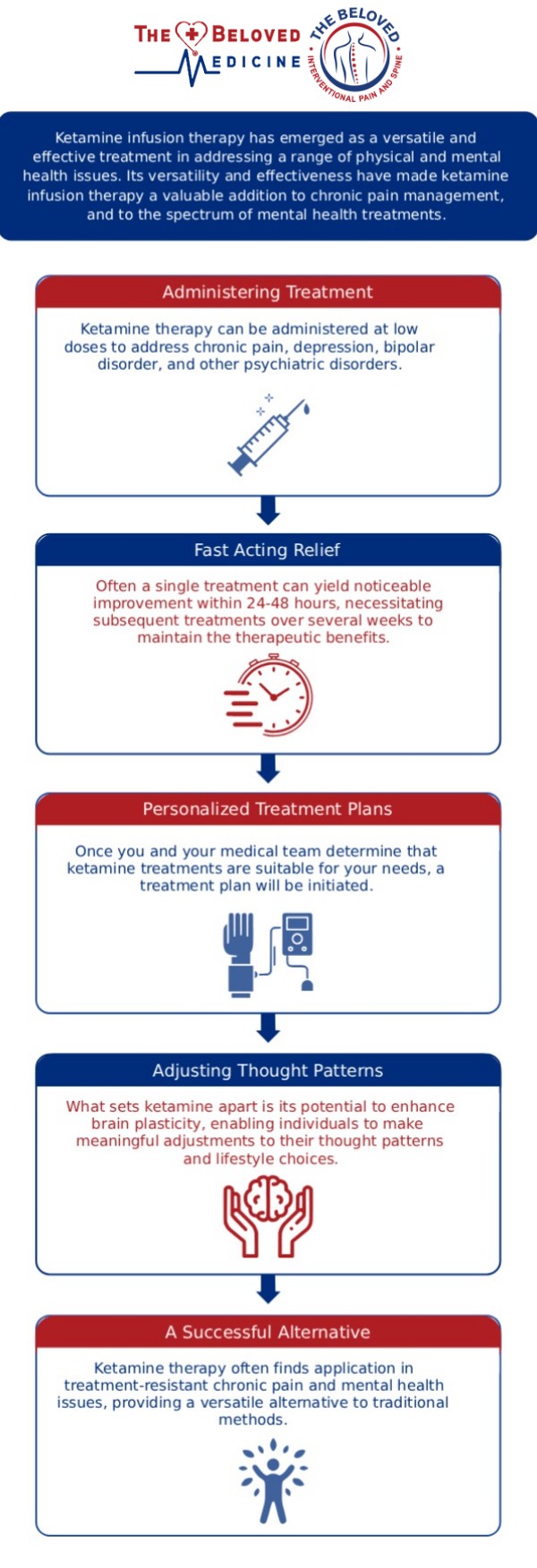
Table of Contents:
How does ketamine therapy help patients who haven’t found relief through traditional antidepressants or pain medications?
Is ketamine therapy considered safe for long-term use, and what are the most common side effects during a session?
What does a typical ketamine treatment session feel like, and how long does the “dissociative” effect last?
How does Dr. John Melek determine if Ketamine is the right tool for resetting my specific nerve pain pathways?
Ketamine therapy has emerged as a promising treatment for patients who have not found relief through traditional antidepressants or pain medications. At The Beloved Medicine Clinic, Pain and Spine Center, ketamine is used primarily for conditions like treatment-resistant depression, anxiety, PTSD, and chronic pain. Traditional antidepressants and pain medications, such as SSRIs and opioids, work by altering neurotransmitter levels, but they may not provide effective relief for all patients. Ketamine, on the other hand, works through a different mechanism that can help reset the brain’s neural pathways and provide rapid relief for individuals who have not responded to conventional treatments.
Ketamine is an NMDA receptor antagonist, which means it works by blocking certain receptors in the brain that contribute to pain and mood disorders. By affecting glutamate, the most abundant neurotransmitter in the brain, ketamine can promote the growth of new neural connections and pathways, effectively “resetting” the brain. This ability to stimulate neuroplasticity is what makes ketamine particularly beneficial for patients with chronic conditions that have been resistant to other forms of treatment.
Ketamine therapy is generally considered safe when administered under medical supervision, especially for patients at The Beloved Medicine Clinic, Pain and Spine Center. However, like any treatment, it should be closely monitored to ensure the safety and effectiveness of the therapy. When used appropriately, ketamine therapy can provide significant relief from conditions like depression, anxiety, and chronic pain, especially for those who have not responded to other medications. It is often administered in a controlled, clinical environment where the patient can be observed for any adverse effects.
In terms of long-term use, ketamine therapy is typically not used on a daily basis but rather in scheduled sessions. The frequency and duration of treatment will vary based on the patient’s condition and their response to therapy. For many patients, ketamine can provide relief for weeks or months, after which periodic “booster” sessions may be recommended.
The most common side effects during a session include dissociation (a sense of detachment from reality), mild dizziness, confusion, and nausea. These effects usually subside shortly after the session ends. Rare side effects include elevated blood pressure and heart rate, though these are closely monitored by the clinical team. At The Beloved Medicine Clinic, Pain and Spine Center, we ensure that each patient is closely monitored throughout their treatment to minimize risks and optimize therapeutic outcomes.
A typical ketamine treatment session at The Beloved Medicine Clinic, Pain and Spine Center is conducted in a comfortable and controlled environment. Before the treatment, the patient is given a dose of ketamine through an intravenous (IV) infusion or intramuscular injection, depending on their treatment plan. Patients are usually seated in a reclining chair or lying down to ensure comfort throughout the session.
During the session, many patients experience a sense of dissociation, which means feeling detached from their body or surroundings. This is often described as a dream-like or “out-of-body” experience. The dissociative effects typically occur within the first few minutes after administration and can last anywhere from 30 minutes to an hour, depending on the individual’s response to the treatment. The intensity of the dissociative effects can vary from person to person, but generally subsides as the session ends.
In addition to the dissociative effects, some patients report feelings of relaxation or a shift in mood, with relief from symptoms of pain, anxiety, or depression occurring soon after the session. Dr. John Melek ensures that patients are monitored throughout the session to ensure their safety and comfort. The effects of ketamine can be profound but are temporary, with most patients feeling back to their normal state after the session is complete.
Dr. John Melek takes a comprehensive, individualized approach when determining if ketamine therapy is the right treatment for resetting specific nerve pain pathways. At The Beloved Medicine Clinic, Pain and Spine Center, the first step is a thorough evaluation of the patient’s medical history, current symptoms, and any previous treatments that have been tried for pain relief. Dr. Melek carefully assesses the nature of the nerve pain, including whether it is chronic, treatment-resistant, or associated with conditions like neuropathy, fibromyalgia, or complex regional pain syndrome (CRPS).
Ketamine therapy is particularly effective for resetting nerve pain pathways by promoting neuroplasticity—helping to regenerate and rewire the brain and nervous system. If a patient has not found lasting relief through conventional pain management techniques or medications, ketamine therapy may be considered as an alternative. Dr. Melek may also use additional diagnostic tools, such as blood tests or imaging, to identify underlying issues that could be contributing to the nerve pain.
Once ketamine therapy is deemed appropriate, Dr. Melek will work with the patient to design a personalized treatment plan. This plan will outline the number of sessions, the dosage of ketamine, and the frequency of treatments, with close monitoring throughout the process to ensure effectiveness.
For more information, contact us or request an appointment online. We are conveniently located at 7777 Forest Ln Suite A315, Dallas, TX 75230. We serve patients from Dallas TX, Plano TX, Addison TX, Richardson TX, Garland TX, and surrounding areas.
Check Out Our 5 Star Reviews





 Send Text
 How May I Help You?